How To Use Chat GPT In Trading: Complete Guide for Indian Traders
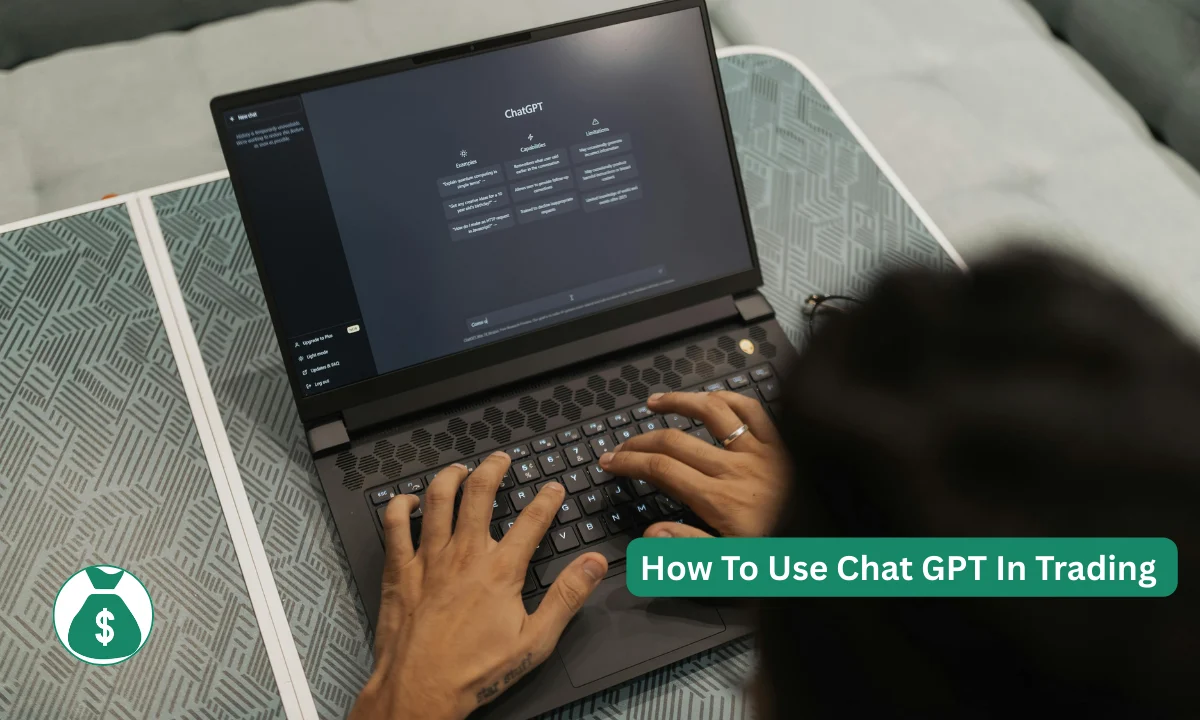
How To Use Chat GPT In Trading
Chat GPT has become a popular tool for traders in 2025. Many traders are using this AI assistant to analyze markets and make better trading decisions. The technology helps in research, coding strategies and understanding market trends. Indian traders can benefit from using Chat GPT for stock market analysis and creating trading plans.
This guide explains how to use Chat GPT effectively in trading. You will learn practical methods to improve your trading with AI assistance. The focus is on simple techniques that work for Indian stock markets.
Key Takeaways
- Chat GPT helps analyze market data and generate trading insights quickly
- Traders use AI for coding strategies in Python and Pine Script
- The tool assists in sentiment analysis of news and market trends
- Risk management calculations become easier with Chat GPT prompts
- Backtesting strategies can be done faster using AI generated code
- Indian traders can screen stocks and compare fundamentals efficiently
- Always verify AI outputs with real data before making trades
Also Read: The GPU Dividend: Correlating India’s Power Sector Growth with AI Infrastructure Demand
Understanding Chat GPT for Trading
Chat GPT is an artificial intelligence model created by OpenAI. It understands human language and provides detailed responses to questions. Traders use it as a research assistant to save time on market analysis.
The AI model works by processing large amounts of text data. It can answer questions about trading strategies, market conditions and technical indicators. Many Indian traders are now using Chat GPT alongside platforms like TradingView and broker terminals.
One major advantage is speed. Chat GPT can analyze information in seconds that might take hours manually. It helps in generating trading ideas based on historical patterns and current market data. The tool is especially useful for coding trading strategies without prior programming knowledge.
However traders must remember that Chat GPT has limitations. It does not have real time market data unless connected to live feeds. The responses depend on training data which has a cutoff date. Always cross check the information with current market sources before trading.
Stock Selection Using Chat GPT
Finding good stocks is the first step in trading. Chat GPT can help screen stocks based on specific criteria. You can ask it to analyze company fundamentals or compare different stocks in a sector.
Start by asking Chat GPT to list high growth stocks in a particular industry. For example you can request stocks in the IT sector with consistent revenue growth. The AI will provide a starting list that you can research further.
Next use Chat GPT to compare financial metrics like PE ratio, debt to equity and profit margins. Ask it to create tables comparing multiple stocks. This makes it easy to spot which companies have stronger fundamentals. Indian traders often use this method to shortlist stocks from Nifty 50 or mid cap indices.
For technical analysis ask Chat GPT about chart patterns and support resistance levels. Upload a chart screenshot and request analysis of trend lines and indicators. The AI can identify patterns like breakouts or reversals that might signal trading opportunities.
Remember to verify all stock suggestions with current data. Check the latest quarterly results and news about the company. Chat GPT provides a starting point but your own research confirms the final decision. Use tools like Screener or Moneycontrol for verification.
Creating Trading Strategies with AI
Chat GPT excels at helping traders develop and refine trading strategies. You can describe your trading idea in plain language and get a structured strategy with entry and exit rules.
Begin by explaining your strategy concept to Chat GPT. For instance tell it you want a momentum strategy based on moving average crossovers. The AI will outline the complete strategy including parameters like which moving averages to use and position sizing rules.
Ask Chat GPT to write code for your strategy in Python or Pine Script. This is helpful for traders who want to automate their systems. The code can include indicators like RSI, MACD or Bollinger Bands. Many Indian traders use this feature to create strategies for NSE and BSE stocks.
Request modifications to improve the strategy. Chat GPT can add stop loss levels, trailing stops or risk reward ratios. It suggests optimizations based on common trading practices. You can refine the strategy through multiple conversations until it matches your requirements.
Test the logic by asking Chat GPT to walk through example trades. Provide hypothetical price movements and see how the strategy responds. This helps identify any flaws before backtesting with real data. Always paper trade new strategies before using real money.
Backtesting Your Trading System
Backtesting checks if your strategy would have worked in the past. Chat GPT can generate backtesting code that simulates your strategy on historical data. This step is critical before risking actual capital.
Ask Chat GPT to create a Python script for backtesting. Provide details about your strategy rules and the time period you want to test. The AI will write code that loads historical data and runs your strategy through past price movements.
The backtest results show metrics like total returns, win rate and maximum drawdown. Chat GPT can explain these metrics and what they mean for your strategy. Request a comparison with buy and hold returns to see if your strategy adds value.
Modify the strategy parameters based on backtest results. If the win rate is low ask Chat GPT to suggest adjustments. You might need to change indicator settings or add filters to reduce false signals. Run multiple backtests with different parameters to find optimal settings.
Indian traders should backtest on NSE or BSE data specifically. Market behavior varies across different exchanges and time zones. Make sure your backtesting period includes both bull and bear markets. This gives a realistic picture of how the strategy performs in various conditions.
Risk Management with Chat GPT
Managing risk is essential for long term trading success. Chat GPT helps calculate position sizes, stop loss levels and risk reward ratios. These calculations protect your capital from large losses.
Start by asking Chat GPT to calculate position size based on your account size and risk tolerance. For example if you have 1 lakh rupees and want to risk 2 percent per trade it will tell you the exact amount to risk. This prevents overtrading and keeps losses manageable.
Request stop loss calculations based on volatility. Chat GPT can use ATR or recent price swings to suggest appropriate stop loss levels. Placing stops too tight causes unnecessary exits while loose stops risk larger losses. The AI helps find the right balance.
Ask about risk reward ratios for your trades. A good rule is targeting at least 2 rupees profit for every 1 rupee risked. Chat GPT can analyze your entry point and suggest profit targets that maintain healthy risk reward ratios. Indian traders often use this for both intraday and swing trading.
Get help creating a trading journal template. Chat GPT can design a spreadsheet format to track your trades including entry exit reasons and emotions. Reviewing this journal with AI assistance helps identify patterns in your trading behavior. You can spot mistakes like revenge trading or FOMO entries.
Technical Analysis Support
Chat GPT assists with various aspects of technical analysis. It explains indicators, identifies chart patterns and suggests combinations of tools for better decision making. Indian traders find this especially useful when learning new analysis techniques.
Ask Chat GPT to explain any technical indicator in simple terms. Whether it is RSI, MACD or Fibonacci retracements the AI breaks down how they work and when to use them. This knowledge helps you understand the signals your trading platform generates.
Request analysis of uploaded charts. Send a screenshot from TradingView or your broker app and ask Chat GPT to identify patterns. It can spot head and shoulders, triangles or flag patterns that might signal future price movements. Always confirm these patterns with volume analysis.
Get suggestions for indicator combinations. Chat GPT can recommend which indicators work well together. For example combining moving averages with RSI helps confirm trends and avoid false breakouts. Many successful Indian traders use multi indicator strategies suggested by AI.
Ask for interpretation of candlestick patterns. Chat GPT explains patterns like doji, hammer or engulfing candles. It tells you what these patterns typically signal in terms of bullish or bearish sentiment. Understanding candlesticks improves your timing for entries and exits.
Sentiment Analysis of Market News
News and sentiment drive short term market movements. Chat GPT can analyze news articles and social media to gauge market sentiment. This helps traders anticipate potential price reactions.
Provide recent news headlines to Chat GPT and ask for sentiment analysis. It will classify the news as positive negative or neutral for the stock or market. This quick analysis saves time compared to reading multiple articles yourself.
Request a summary of how specific news might impact a stock. For example if a company announces quarterly results Chat GPT can explain potential market reactions. It considers factors like earnings beats, guidance changes and management commentary.
Ask Chat GPT to identify key themes in market discussions. It can process multiple sources and highlight what topics traders are focused on currently. In Indian markets this might include topics like monsoon impact, government policies or sector rotation trends.
Use AI to track sentiment changes over time. Ask Chat GPT to compare sentiment from last month versus current sentiment. Shifts in sentiment often precede price movements. This early warning helps you position trades before the crowd reacts.
Coding Trading Bots and Automation
Automation lets your strategy run without constant monitoring. Chat GPT helps write code for trading bots that execute trades automatically. Indian traders can automate strategies on platforms that support API trading.
Begin by describing your automation requirements to Chat GPT. Explain when you want trades to execute and what conditions must be met. The AI will generate the necessary code structure for your bot. Most platforms accept Python code which Chat GPT writes efficiently.
Ask for API integration code. Chat GPT can show you how to connect your trading account with your strategy code. This includes authentication and order placement functions. Make sure to use paper trading initially to test the bot safely.
Request error handling code. Trading bots need to manage unexpected situations like connection losses or order rejections. Chat GPT adds code that handles these errors gracefully. This prevents the bot from making incorrect trades when problems occur.
Get help with scheduling and monitoring. Chat GPT can write code that runs your bot at specific times or continuously monitors the market. It can also send you alerts when trades are executed or when manual intervention is needed.
Common Mistakes to Avoid
New users often make mistakes when using Chat GPT for trading. Understanding these errors helps you get better results and avoid losses. Here are important pitfalls to watch out for.
Never trade based solely on Chat GPT suggestions. The AI provides ideas and analysis but lacks current market data. Always verify outputs with real time information from your broker or financial websites. Blind following of AI advice causes losses.
Avoid using outdated information. Chat GPT has a knowledge cutoff date and may not know recent market developments. Check if major events like policy changes or earnings releases happened after the cutoff. Update your prompts with current context for relevant responses.
Do not skip backtesting. Chat GPT can generate strategies that look good in theory but fail in practice. Always backtest on historical data and paper trade before using real money. Many profitable looking strategies have hidden flaws revealed only through testing.
Refrain from over complicating strategies. Beginners often ask Chat GPT to add too many indicators and conditions. Complex strategies are harder to follow and often perform worse than simple ones. Start with basic strategies and add complexity only if needed.
Remember to manage position sizes properly. Chat GPT might suggest trades without considering your account size. Calculate appropriate position sizes based on your capital and risk tolerance. Never risk more than 2 percent of your account on a single trade.
Tools and Platforms Integration
Chat GPT works best when combined with proper trading tools. Indian traders use various platforms alongside AI assistance. Understanding which tools complement Chat GPT improves your trading workflow.
TradingView is popular for charting and analysis. You can generate Pine Script code using Chat GPT and apply it directly in TradingView. This combination lets you visualize strategies and get trading signals. Many Indian traders use this setup for NSE stocks.
Broker platforms like Zerodha Kite or Angel One provide trading execution. While Chat GPT helps with strategy development your broker handles actual trade placement. Some brokers offer API access for automated trading. Chat GPT helps write the code to connect strategies with broker APIs.
Python libraries like Pandas and Backtrader support data analysis. Chat GPT generates Python code that uses these libraries for backtesting and analysis. You can analyze years of historical data quickly. This is essential for validating trading strategies before live trading.
Financial websites like Screener and Moneycontrol provide fundamental data. Use these to verify stock suggestions from Chat GPT. Cross reference financial metrics and company news. Combining AI insights with reliable data sources leads to better decisions.
Limitations and Important Considerations
Chat GPT is powerful but has important limitations. Understanding these helps set realistic expectations and prevents costly mistakes. Indian traders must be aware of these constraints.
The AI lacks real time market data access. It cannot check current stock prices or breaking news unless connected to live feeds. Always verify prices and news from your broker or financial websites. Making decisions on outdated information causes losses.
Responses can contain errors or hallucinations. Sometimes Chat GPT generates incorrect information confidently. This happens more often with specific technical questions or recent events. Double check all facts especially numerical data and recent market developments.
Regulatory and compliance aspects need human judgment. Chat GPT cannot advise on tax implications or regulatory requirements specific to Indian markets. Consult with chartered accountants for tax planning and follow SEBI guidelines for trading practices.
The AI cannot predict future price movements. While it analyzes patterns and suggests strategies it has no crystal ball. Markets remain unpredictable and even the best strategies lose sometimes. Maintain realistic expectations and proper risk management at all times.
Personal financial situations require individual assessment. Chat GPT gives general advice but cannot customize for your specific circumstances. Consider your financial goals risk appetite and investment horizon. Work with qualified financial advisors for personalized planning.
Conclusion
Chat GPT is a valuable tool for traders who use it correctly. It speeds up research, helps develop strategies and makes technical analysis easier. Indian traders benefit from using AI alongside traditional analysis methods.
The key is treating Chat GPT as an assistant not a replacement for your judgment. Verify all information, backtest strategies thoroughly and manage risk properly. Combine AI insights with real time data and your trading experience for best results.
Start with simple applications like stock screening or strategy coding. Gradually explore more advanced uses as you understand the tool better. Keep learning about both trading and AI capabilities to improve your results over time.
Remember that successful trading requires discipline patience and continuous learning. Chat GPT helps with the analytical side but you still need good trading psychology. Use the tool wisely and it can enhance your trading journey significantly.
Tags: ChatGPT trading, AI trading strategies, stock market analysis, algorithmic trading India, trading bot automation, technical analysis AI, risk management trading
Related Posts :



Share This Post